
Last updated: May 2026 | Read time: ~9 minutes
If you and your partner have been arguing more lately, feeling emotionally distant, or just struggling to communicate without things spiraling — you’re not alone. Millions of American couples face these exact challenges, and many are turning to online therapy platforms like BetterHelp to get support without the hassle of traditional in-person counseling.
But is BetterHelp actually worth the money for couples in 2026? The short answer: it depends on what you need. The longer answer is what this review is all about.
We broke down everything — pricing, how the platform works, real pros and cons, who it’s best for, and whether it’s the right fit for your relationship right now.
What Is BetterHelp (and How Does It Work for Couples)?
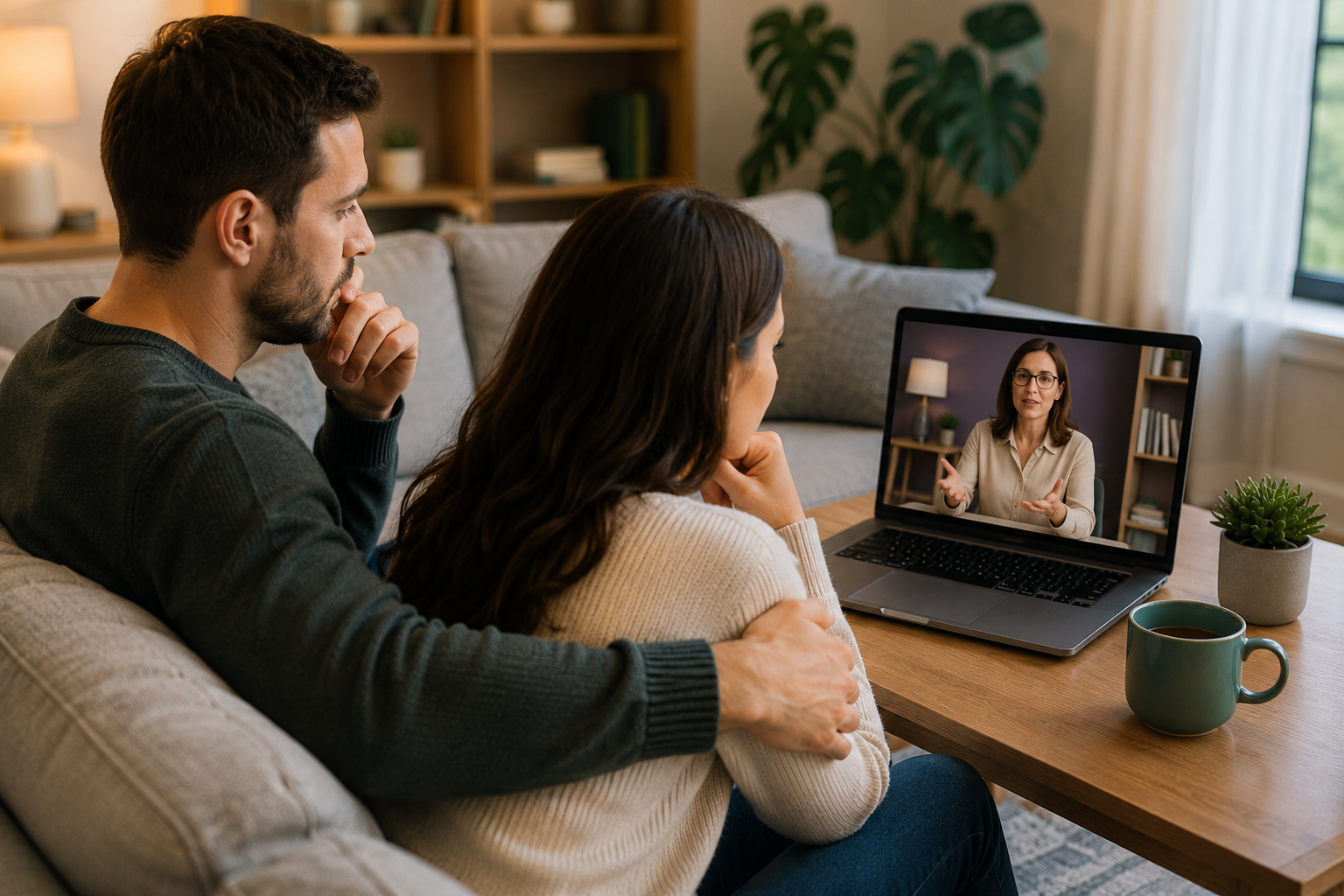
BetterHelp is the world’s largest online therapy platform, with over 30,000 licensed therapists available across the United States. It offers therapy via video sessions, phone calls, live chat, and text messaging — all from your phone or computer.
Here’s something that surprises a lot of couples: BetterHelp doesn’t offer couples therapy directly. When you sign up on BetterHelp.com and indicate you’re looking for relationship support, the platform routes you to Regain — a sister brand specifically built for couples counseling. Both platforms are owned by Teladoc, operate under the same billing model, and use therapists who meet the same credentialing standards. For most people, the experience is nearly identical — just under a different name.
Once you’re matched (usually within 24 to 48 hours), you’ll have access to:
- One live session per week via video, phone, or live chat (30–45 minutes)
- Unlimited messaging with your therapist between sessions (responses typically within 24 hours on business days)
- Journaling tools and relationship worksheets
- The option to add individual sessions if needed
Both partners can join sessions together, or schedule individual sessions within the same plan.
BetterHelp Couples Therapy Pricing in 2026
Cost is usually the first question couples ask — and understandably so. Here’s the current breakdown:
Subscription model: BetterHelp/Regain charges on a rolling 4-week cycle, not a standard calendar month. This means you’ll be billed 13 times per year rather than 12, which adds up over time.
| Plan | Weekly Cost | Every 4 Weeks |
|---|---|---|
| BetterHelp Individual | $70–$100/week | ~$280–$400 |
| Regain (Couples via BetterHelp) | $65–$100/week | ~$260–$400 |
Exact pricing varies based on your location, therapist availability, and demand in your area. As of July 2025, BetterHelp started rolling out a weekly billing option for up to 90% of the U.S. — so you can now choose to pay weekly rather than in 4-week chunks.
How does this compare to traditional therapy?
In-person couples therapy in the U.S. typically costs between $150 and $250 per session. At once a week, that’s $600 to $1,000 per month — and that’s before factoring in missed sessions, co-pays, or travel time. BetterHelp is significantly cheaper in that context.
Does BetterHelp accept insurance?
As of early 2026, BetterHelp has begun accepting insurance in some states with a very limited number of providers and plans. Coverage is still far from widespread, and most couples should plan to pay out-of-pocket for the foreseeable future. If insurance coverage is important to you, platforms like Talkspace may be a better fit since they accept many major insurance plans, including Medicare.
Financial assistance: BetterHelp does offer a financial aid program for those who qualify. If cost is a barrier, it’s worth filling out their assistance form during signup.
What You Actually Get: The Session Experience
After matching with a therapist, the first one or two sessions are typically used for intake — your therapist getting to know both of you, your relationship history, and what you’re hoping to work on.
Sessions run 30 to 45 minutes on average. That’s shorter than the standard 50-minute hour in traditional therapy, and for some couples working through complex issues, it can feel rushed. That said, the messaging feature helps fill in the gaps — you can share thoughts, updates, or concerns with your therapist between sessions without waiting a full week.
The platform works on both desktop and mobile, making it easy to join a session from wherever you are. For busy American couples juggling work, kids, and packed schedules, that flexibility alone is a major selling point.
The Real Pros and Cons of BetterHelp for Couples
What Works Well
Accessibility and convenience. You can attend sessions from your living room, a parked car, or even a hotel room while traveling. No commute, no waiting rooms, no scheduling around a therapist’s physical office hours. For couples in rural areas or those with mobility limitations, this can be a game-changer.
Affordability compared to in-person therapy. At $260 to $400 per month, BetterHelp is a fraction of what traditional couples counseling costs. If you’re paying out-of-pocket, this difference matters a lot.
Large therapist pool. With over 30,000 therapists on the platform, you have a reasonable shot at finding someone who specializes in your specific concerns — whether that’s communication issues, infidelity, premarital counseling, or navigating a major life transition together.
Switching therapists is easy. If the first match isn’t a fit, you can request a new therapist at any time without losing access or paying extra. This lowers the stakes of getting started.
Between-session messaging. Being able to text your therapist when something comes up — not just during the once-a-week session — helps maintain momentum and keeps you both more engaged in the process.
Where It Falls Short
No direct insurance coverage for most users. If your employer or health plan covers mental health services, BetterHelp likely won’t be reimbursable, meaning you’re paying full price while leaving money on the table.
Shorter sessions. The 30–45 minute sessions are noticeably shorter than the 50-minute standard in most traditional therapy settings. Some couples find they spend the first 10 minutes catching up and the last 5 minutes wrapping up, leaving limited time for deep work.
The Regain redirect confuses people. Many couples sign up for “BetterHelp couples therapy,” only to find themselves on a slightly different platform. It’s not a scam — it’s just a branding setup that could be more transparent upfront.
Messaging response time varies. While unlimited messaging is a perk, therapist response times depend heavily on their individual schedule. Some respond same-day; others take 24 hours or more. If you’re in a heated moment and need real-time support, that lag can be frustrating.
Not ideal for crisis situations. BetterHelp is not equipped for crisis intervention. If domestic conflict has reached a dangerous level or either partner is experiencing severe mental health symptoms, in-person licensed support is the more appropriate route.
Who Is BetterHelp Couples Therapy Best For?
BetterHelp via Regain is a solid option for couples who:
- Are dealing with communication breakdowns, emotional distance, or recurring arguments
- Want to try therapy for the first time and prefer a lower-barrier entry point
- Have busy schedules that make weekly in-person appointments difficult
- Are navigating a major transition (new baby, job loss, relocation, empty nest)
- Are working through infidelity or trust issues with the help of a licensed therapist
- Cannot afford traditional in-person therapy and want a more accessible alternative
It may not be the best fit if you:
- Need insurance coverage and want a platform that accepts your plan
- Are dealing with severe mental health issues, addiction, or trauma that requires a higher level of care
- Prefer longer, more intensive sessions
- Are looking for evidence-based couples modalities like Emotionally Focused Therapy (EFT) and want to specifically vet your therapist’s training
BetterHelp vs. Other Online Couples Therapy Options
BetterHelp/Regain vs. Talkspace for Couples
Talkspace costs roughly $276 to $436 per month — slightly overlapping with BetterHelp’s range. The big differentiator: Talkspace accepts many major insurance plans, including Medicare, which can dramatically reduce out-of-pocket costs. If you have good insurance coverage, Talkspace might actually be cheaper.
BetterHelp/Regain vs. OurRitual
OurRitual takes a hybrid approach, combining weekly expert sessions with structured self-guided exercises. If you’re looking for something more programmatic than open-ended weekly therapy, it’s worth exploring.
BetterHelp/Regain vs. Traditional In-Person Therapy
In-person therapy still wins when it comes to session depth, nonverbal communication, and crisis capability. If your relationship is at a serious breaking point, in-person therapy — especially from a therapist trained specifically in couples modalities — is the better investment.
Is BetterHelp Worth the Money for Couples in 2026?
Here’s the honest verdict: for many American couples, yes — with caveats.
If you’re paying out-of-pocket, BetterHelp/Regain is one of the most affordable ways to access licensed couples therapy. The convenience factor is real. The flexibility is real. And having a dedicated therapist who knows your relationship can make a meaningful difference over time.
Studies show that couples who commit to therapy can achieve effectiveness rates as high as 75%, and BetterHelp’s platform removes a lot of the friction that keeps couples from getting started. If cost and scheduling have been the main reasons you haven’t tried therapy yet, BetterHelp is a reasonable place to start.
That said, if you have insurance that covers mental health, you owe it to yourself to check whether a platform like Talkspace or an in-network therapist in your area would cost you less. And if your relationship issues go deeper than communication or emotional distance — addiction, trauma, a pattern of escalating conflict — in-person therapy with a specialist is the stronger choice.
The bottom line: BetterHelp for couples is not a magic fix, but it is a genuinely accessible, affordable path to getting professional support. For couples who are ready to do the work, it can be worth every dollar.
Frequently Asked Questions
Does BetterHelp offer couples therapy directly? Not exactly. When you indicate relationship issues on BetterHelp, you’re typically routed to Regain, BetterHelp’s sister platform for couples. Both are owned by Teladoc and operate similarly.
How much does BetterHelp couples therapy cost per month in 2026? Expect to pay between $260 and $400 every 4 weeks (which works out to about 13 billing cycles per year, not 12). Costs vary based on your location and therapist availability.
Can both partners message the therapist? Yes. Both partners on a joint plan can message the therapist and attend live sessions together.
Is there a free trial? BetterHelp occasionally offers promotions, but there is no standard free trial. The first month typically includes a discount for new users.
Can I cancel anytime? Yes. BetterHelp subscriptions can be canceled at any time through your account settings.
Final Thoughts
Online therapy has come a long way, and BetterHelp is one of the most accessible entry points for couples who want professional support without the friction of traditional in-person sessions. The platform isn’t perfect — limited insurance coverage and shorter session lengths are real drawbacks — but for the right couple, the value is genuine.
If you and your partner have been putting off therapy because of cost, scheduling, or just not knowing where to start, BetterHelp is worth trying. And if you’re curious about how communication issues, digital habits, or trust problems are affecting your relationship more broadly, there’s a lot of useful reading to do before your first session. Understanding how relationship behaviors show up online or exploring how modern dating habits affect long-term relationships can help you walk into therapy with more clarity about what you want to work on.
The first step is always the hardest. But it’s also the most important one.
This article is for informational purposes only and does not constitute medical or psychological advice. If you are experiencing a mental health crisis or domestic safety concerns, please contact a licensed professional or crisis service immediately.